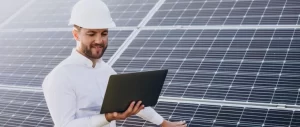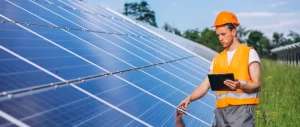

As India continues to lead the way in renewable energy adoption, solar plant commissioning has become more streamlined, tech-driven and efficient. Whether for residential, commercial, or utility-scale applications, the commissioning process is critical to ensure the solar plant performs safely and optimally. In 2025, the involvement of a Solar Plant Installation and Commissioning Company with Turnkey Solar Power Solutions plays a vital role in executing successful projects from start to finish.
This blog explains the step-by-step commissioning process and explores the recent technological and regulatory updates shaping the solar EPC landscape.
Step-by-Step Installation and Commissioning Process
Site Survey and Feasibility Study
Before any Solar installation process, the site must be surveyed for solar potential, terrain suitability and environmental factors. This step includes:
- Assessing sunlight availability (solar insolation data)
- Grid connectivity feasibility
- Roof/load capacity (for rooftop systems)
- Shadow analysis and orientation checks
A detailed feasibility report helps in designing a customized solar solution.
Mounting System and Structural Setup
The mounting system is the foundation that holds solar panels in place. It plays a big role in keeping the solar plant stable and working well. Based on the type of project, different kinds of structures are used such as fixed-tilt (panels stay in one position), adjustable (angle can be changed), or tracking systems (panels move to follow the sun for better power generation).
These structures are usually made from strong and long-lasting materials like galvanized steel or aluminum. These metals are chosen because they don’t rust easily and can handle different weather conditions, helping the solar panels stay safe and perform well for many years.
Electrical Installation and Battery Integration
After mounting, the PV modules are installed along with electrical components:
- Inverters (String or Central)
- AC/DC cabling and junction boxes
- Earthing and lightning protection
- Battery storage systems (optional for hybrid or off-grid models)
Battery storage is gaining traction in 2025 as it ensures power backup, peak-load support and better energy utilization.
System Testing and Final Commissioning
The last stage of setting up a solar plant is called system testing and Solar plant commissioning.This phase makes sure everything is working safely and correctly before the plant starts operating. Here’s what happens:
- Component Testing: Every part of the system like solar panels, inverters and cables is tested. This includes checking the voltage, insulation and overall performance to make sure everything runs smoothly.
- Grid Synchronization: The solar system is then connected and synchronized with the main power grid. This ensures that the electricity produced flows properly into the grid without any disturbance.
- Safety Checks: Experts carry out safety inspections based on government rules and standards set by CEIG (Chief Electrical Inspector to the Government) or CEA (Central Electricity Authority). This step ensures the system is safe for use.
- Commissioning Certificates: After successful testing and inspections, official commissioning certificates are issued by the local DISCOM (power distribution company). These documents confirm that the plant is ready to operate.
Once all of this is completed and approved, the solar epc services are officially turned on and begin supplying electricity either to the power grid or for use in your own buildings and equipment.
What’s New in Solar EPC Projects in 2025?
- AI-powered monitoring systems for real-time performance tracking
- SCADA integration for utility-scale solar farms
- Rapid deployment mounting systems to cut down civil work time
- Improved lithium-ion and flow batteries for storage
- Faster grid approvals with digitized DISCOM portals
With these innovations, commissioning timelines have shortened and system reliability has improved. Choosing a trusted Solar Plant Installation and Commissioning Company ensures that every stage from setup to final testing follows industry standards and government regulations. Experienced professionals help avoid costly errors, speed up approvals and maximize long-term energy savings. This not only improves system safety but also boosts your overall return on investment (ROI).
A Future-Ready Solar System
Proper commissioning is the final and one of the most important steps in any solar installation. It confirms that all system components are working correctly, safety standards are followed and your solar plant is ready to generate clean, reliable energy. Whether you’re a homeowner or managing a large-scale project, understanding the commissioning process helps you make smart choices and avoid costly issues. Partnering with an experienced company like Renesys Power Systems ensures your solar setup is future-ready, fully compliant and built for maximum performance.
FAQs
Q1. How long does it take to commission a solar power plant?
Ans: Depending on the plant size and regulatory approvals, commissioning can take 4-12 weeks after installation begins.
Q2. What are the latest government approvals needed for solar commissioning?
Ans: You need CEIG/CEA safety clearances, net metering approvals and a commissioning certificate from the local DISCOM. Many DISCOMs now offer online application and tracking systems for faster approvals.
Q3 .How do I ensure my solar plant is compliant with safety norms?
Ans: Choose a licensed EPC provider that follows BIS-certified components, CEIG/CEA regulations and MNRE guidelines. Regular audits and testing are part of a compliant commissioning process.